por raimundoocjr » Qua Nov 06, 2013 21:16
(Livro: Cálculo - Autor: James Stewart - Volume 2 - 7ª Edição - Q. 14 - Pág.: 836)
Seja W(s, t)=F(u(s, t), v(s, t)), onde F, u e v são diferenciáveis e

Encontre

e

.
Comentário: Por ser um exercício par não tem a resposta ao final do livro, então gostaria de confirmar com outros membros do fórum. As respostas que encontrei foram:

e

.
Relembrando a teoria:
1) Notação para Derivadas Parciais:
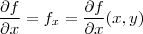
2) Regrada da Cadeia ("Teorema das Funções Implícitas") - duas variáveis:

Obrigado!
-
raimundoocjr
-
Voltar para Cálculo: Limites, Derivadas e Integrais
Se chegou até aqui, provavelmente tenha interesse pelos tópicos relacionados abaixo.
Aproveite a leitura. Bons estudos!
-
- [Derivada Parcial de 1ª Ordem] - Derivada parcial num ponto
por Vitor2+ » Dom Jul 01, 2012 16:27
- 6 Respostas
- 4851 Exibições
- Última mensagem por e8group

Seg Jul 02, 2012 10:56
Cálculo: Limites, Derivadas e Integrais
-
- derivada parcial
por jmario » Dom Abr 18, 2010 11:41
- 0 Respostas
- 1804 Exibições
- Última mensagem por jmario
Dom Abr 18, 2010 11:41
Cálculo: Limites, Derivadas e Integrais
-
- Derivada Parcial
por Silva339 » Seg Mar 25, 2013 19:06
- 1 Respostas
- 1958 Exibições
- Última mensagem por DanielFerreira
Sex Mar 29, 2013 02:28
Cálculo: Limites, Derivadas e Integrais
-
- [Derivada Parcial]
por Russman » Qui Mar 28, 2013 22:04
- 1 Respostas
- 1704 Exibições
- Última mensagem por Russman
Sex Mar 29, 2013 13:00
Cálculo: Limites, Derivadas e Integrais
-
- Derivada parcial
por guilherme5088 » Seg Mar 23, 2020 17:55
- 1 Respostas
- 4381 Exibições
- Última mensagem por guilherme5088
Seg Mar 23, 2020 17:56
Cálculo: Limites, Derivadas e Integrais
Usuários navegando neste fórum: Nenhum usuário registrado e 44 visitantes
Assunto:
Unesp - 95 Números Complexos
Autor:
Alucard014 - Dom Ago 01, 2010 18:22
(UNESP - 95) Seja L o Afixo de um Número complexo

em um sistema de coordenadas cartesianas xOy. Determine o número complexo b , de módulo igual a 1 , cujo afixo M pertence ao quarto quadrante e é tal que o ângulo LÔM é reto.
Assunto:
Unesp - 95 Números Complexos
Autor:
MarceloFantini - Qui Ago 05, 2010 17:27
Seja

o ângulo entre o eixo horizontal e o afixo

. O triângulo é retângulo com catetos

e

, tal que

. Seja

o ângulo complementar. Então

. Como

, o ângulo que o afixo

formará com a horizontal será
, mas negativo pois tem de ser no quarto quadrante. Se

, então

. Como módulo é um:

.
Logo, o afixo é

.
Powered by phpBB © phpBB Group.
phpBB Mobile / SEO by Artodia.