por Ana_Rodrigues » Seg Mar 26, 2012 19:05
-
Ana_Rodrigues
- Usuário Parceiro

-
- Mensagens: 51
- Registrado em: Seg Nov 14, 2011 09:44
- Formação Escolar: GRADUAÇÃO
- Área/Curso: Engenharia Elétrica
- Andamento: cursando
por fraol » Seg Mar 26, 2012 21:44
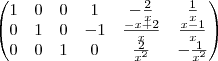
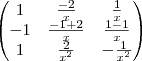
Eu fiz os cálculos e cheguei na mesma inversa que você.
Para tirar a dúvida quanto ao resultado, você pode multiplicar a matriz original pela inversa (tanto a sua como a do gabarito) . O resultado deve ser a matriz identidade (pois se a inversa existe, então

). Assim você terá certeza da resposta.
-
fraol
- Colaborador Voluntário

-
- Mensagens: 392
- Registrado em: Dom Dez 11, 2011 20:08
- Localização: Mogi das Cruzes-SP
- Formação Escolar: GRADUAÇÃO
- Área/Curso: Matemática
- Andamento: formado
Voltar para Matrizes e Determinantes
Se chegou até aqui, provavelmente tenha interesse pelos tópicos relacionados abaixo.
Aproveite a leitura. Bons estudos!
-
- Matriz Inversa
por Cleyson007 » Qui Ago 20, 2009 17:49
- 5 Respostas
- 4536 Exibições
- Última mensagem por Cleyson007

Sáb Ago 22, 2009 10:45
Matrizes e Determinantes
-
- Matriz - Inversa ou não?
por Bruhh » Seg Mar 08, 2010 16:31
- 7 Respostas
- 16187 Exibições
- Última mensagem por Neperiano
Qui Mar 11, 2010 15:50
Conversão de Unidades
-
- [Matriz Inversa]
por vanessafey » Seg Set 12, 2011 15:17
- 4 Respostas
- 3335 Exibições
- Última mensagem por LuizAquino
Qua Set 21, 2011 23:23
Matrizes e Determinantes
-
- Matriz Inversa
por Claudin » Qui Set 15, 2011 17:44
- 11 Respostas
- 5356 Exibições
- Última mensagem por MarceloFantini
Qui Set 15, 2011 18:51
Matrizes e Determinantes
-
- Inversa da Matriz
por brunojorge29 » Seg Out 10, 2011 09:48
- 4 Respostas
- 2953 Exibições
- Última mensagem por brunojorge29
Qua Out 12, 2011 17:30
Matrizes e Determinantes
Usuários navegando neste fórum: Nenhum usuário registrado e 21 visitantes
Assunto:
Funções
Autor:
Emilia - Sex Dez 03, 2010 13:24
Preciso de ajuda no seguinte problema:
O governo de um Estado Brasileiro mudou a contribuição previdenciária de seus contribuintes. era de 6% sobre qualquer salário; passou para 11% sobre o que excede R$1.200,00 nos salários. Por exemplo, sobre uma salário de R$1.700,00, a contribuição anterior era: 0,06x R$1.700,00 = R$102,00; e a atual é: 0,11x(R$1.700,00 - R$1.200,00) = R$55,00.
i. Determine as funções que fornecem o valor das contribuições em função do valor x do salário antes e depois da mudança na forma de cobrança.
ii. Esboce seus gráficos.
iii. Determine os valores de salários para os quais:
- a contribuição diminuiu;
- a contribuição permaneceu a mesma;
- a contribuição aumentou.
Powered by phpBB © phpBB Group.
phpBB Mobile / SEO by Artodia.